Everyone sees everything
In a shared spreadsheet, sales reads the salaries and the accountant can rewrite a closed mission. Nobody wants that; nobody prevents it.
A management system deserves two questions before you buy it: what does it stop me from doing wrong, and who owns my data. This page answers both — with the product’s real constraints, including the ones that look like limitations and are exactly what you are paying for.
In a shared spreadsheet, sales reads the salaries and the accountant can rewrite a closed mission. Nobody wants that; nobody prevents it.
A cell edited afterwards leaves no trace. The total changes, and the version that supported the decision no longer exists.
The day you want to leave, the history stays inside the vendor’s software, in a format nobody can read.
Isolation is not a filter written in application code but a rule enforced by the database itself on every multi-company table. A query cannot return another company’s row, even after a programming mistake.
The detail that matters. An automated test walks every table and fails if one is added without its isolation rule: the protection does not depend on a developer’s vigilance on a Monday morning.
Director, dispatcher, sales, accountant, mechanic, driver, administrator: the menu is built from the role and the modules. Sales issues an invoice without being able to collect it; the mechanic never sees the bank.
The detail that matters. The interface check and the API check are one and the same. What does not appear in your menu is not reachable through a direct link — an internal rule of the product, not two lists kept in parallel.
Order form, invoice, credit note: issuance freezes the content and the document keeps its own copy of what it prints. Changing a client tariff tomorrow does not rewrite paper that went out yesterday.
The detail that matters. A mistake is corrected by a corrective document with its own series — the way accounting works, and the only way that survives an audit.
Client payments, movements of paper, bank statement lines: these ledgers only grow. A correction is an additional entry, dated and attributed, never a rewrite.
The detail that matters. Un-matching a reconciliation is a counter-entry; a wrong statement import is rolled back as a batch, with everything it created.
A double click, a dropped connection, a re-imported file: every operation carries its identifier, and the product recognises the retry instead of creating a second file or a second payment.
The detail that matters. Real repetitions are preserved: two identical fill-ups on the same day stay two lines. Deduplication counts occurrences, it does not delete what looks similar.
Reports in Excel, invoices and order forms in PDF, hosting on the servers of the publisher, TinyCIO, and a demonstration dataset erasable with one button — what was generated goes, what you entered stays, row by row.
The detail that matters. Geolocation positions, when the module arrives, will only be collected during an active mission: tracking serves operations, not surveillance of people.
Your subscription billing lives in the TinyCIO hub, not in the product. If the link to the hub is unavailable, your portal keeps working on its local rules: operations do not stop for a commercial reason.
The detail that matters. No transfer is ever issued by the product, and no access to your bank is requested: payment orders produce a file that you upload yourself.
| Member | Role | Access | Can collect |
|---|---|---|---|
| Director | owner | everything | yes |
| Dispatcher | dispatcher | operations, documents | no |
| Sales | sales | clients, quotes, invoices | no |
| Accountant | accountant | invoices, purchases, bank | yes |
An expired licence or insurance makes the assignment impossible. It is an inconvenience on a Tuesday morning; it is a fine avoided and an insurer that cannot walk away after an accident.
The refusal is explicit and names the file. Invoicing without proof of delivery means funding a dispute you will lose.
The number is allocated at issuance, atomically, with one series per year. Two simultaneous approvals never produce the same number.
Renaming it would silently transfer one box’s history to another — and that history is your defence in a damage dispute.
They cannot be switched on or off. A product whose security is an option is selling the same thing twice.
On the servers of TinyCIO, the publisher, which runs the product itself. The data belongs to your company; Excel reports and PDF documents download from the product, without prior request.
The screens of the switched-off modules close, the data stays: nothing is deleted to force you to stay.
No. An issued invoice cannot be modified or deleted: it is cancelled by a credit note, which leaves both documents visible. And issuing and collecting are separate rights.
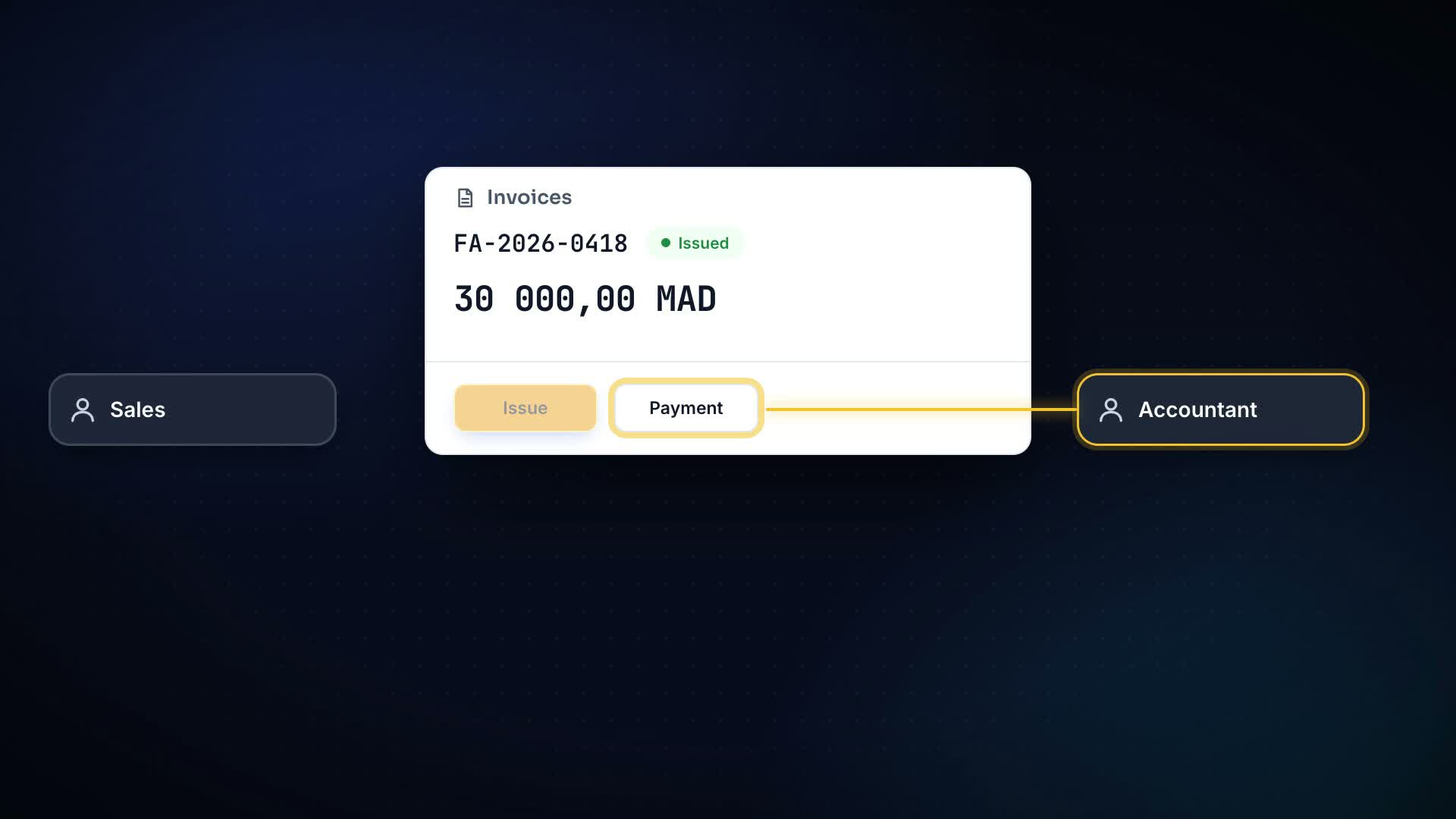 1:23Security 2Who on my team can see and do what?
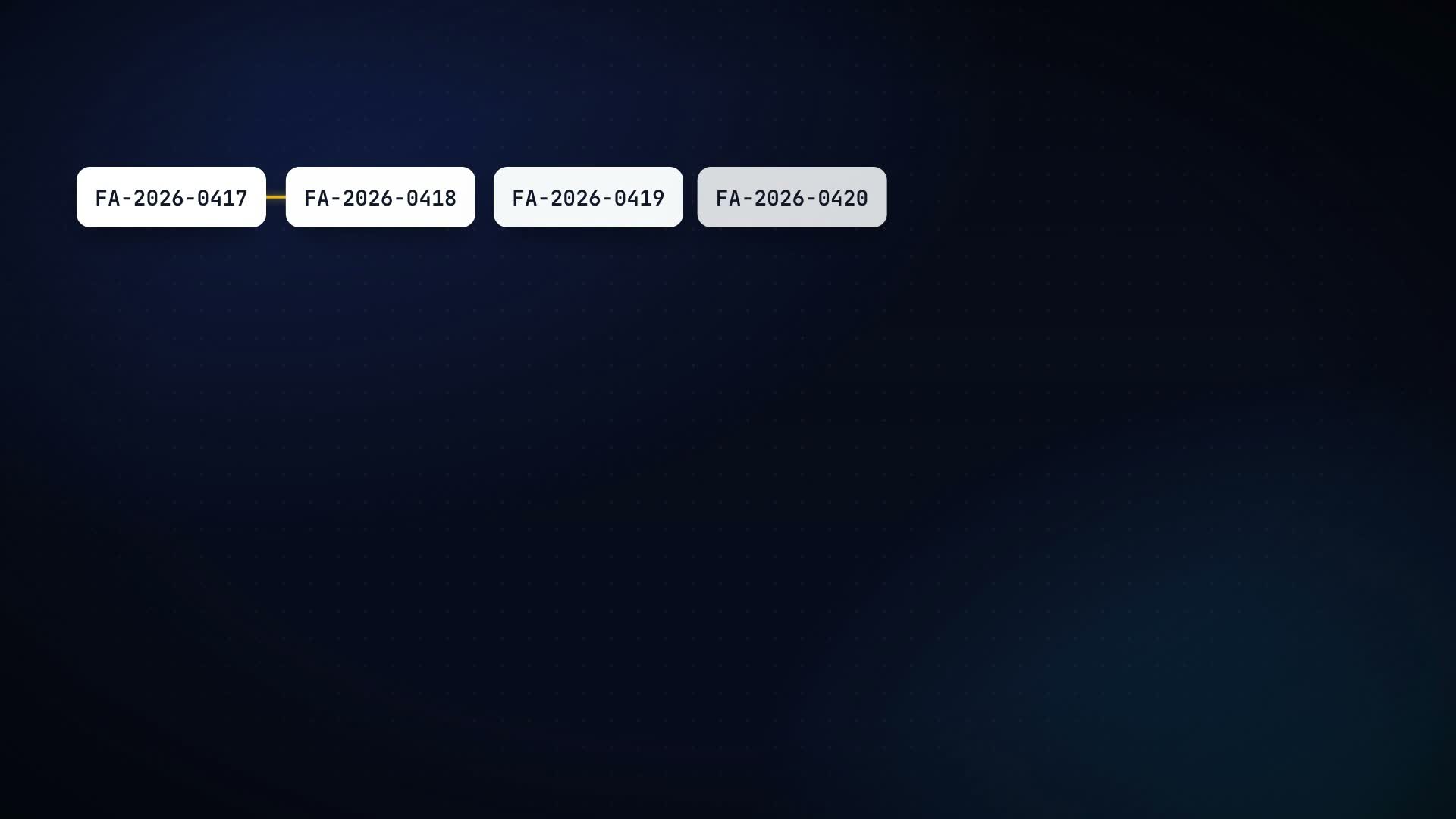 1:22Security 3Can a document or a figure be changed after the fact?
 1:16Security 4What does the driver see, and what never reaches him?
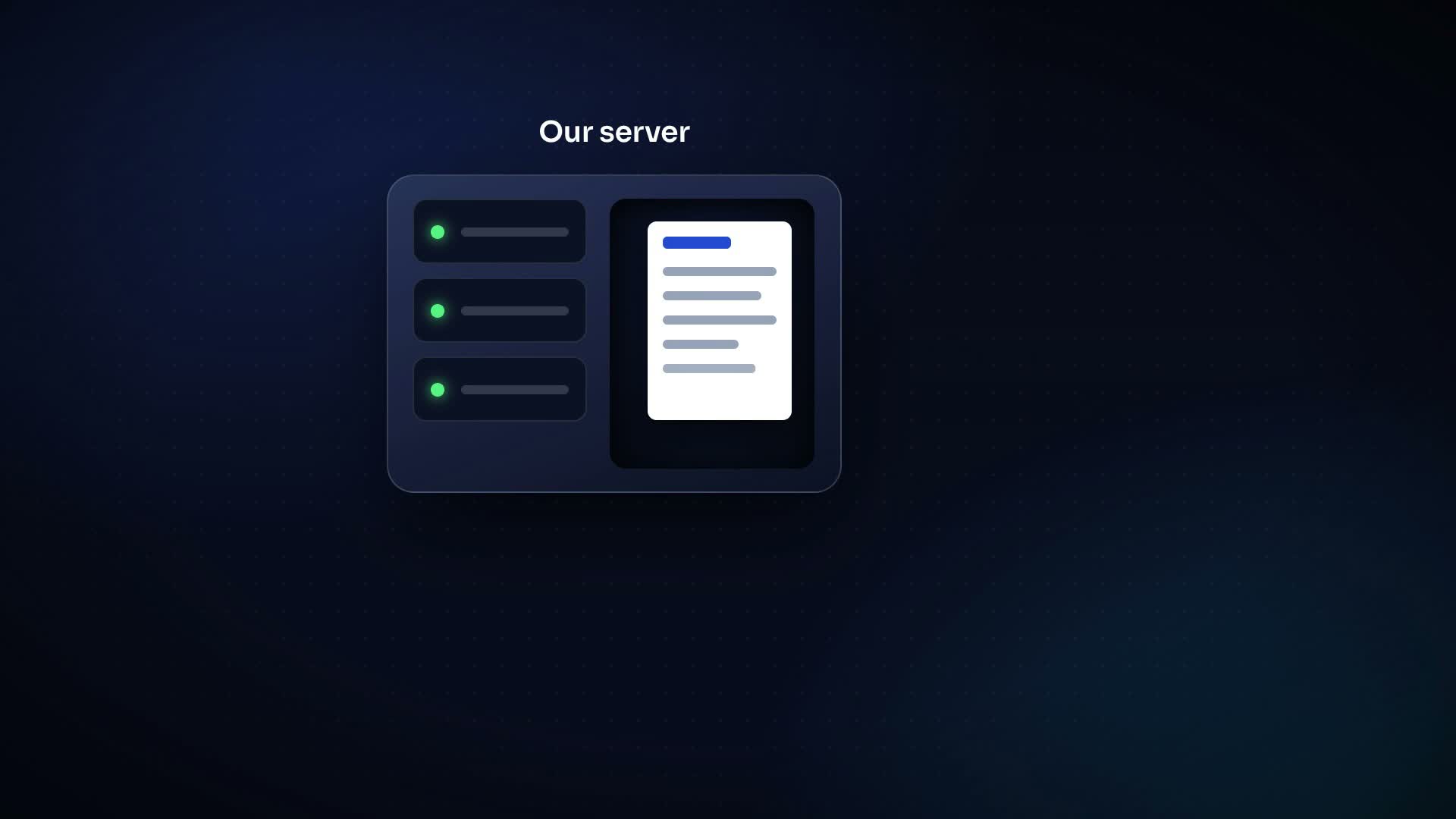 1:23Security 5Who decides when money, documents and emails leave the system?
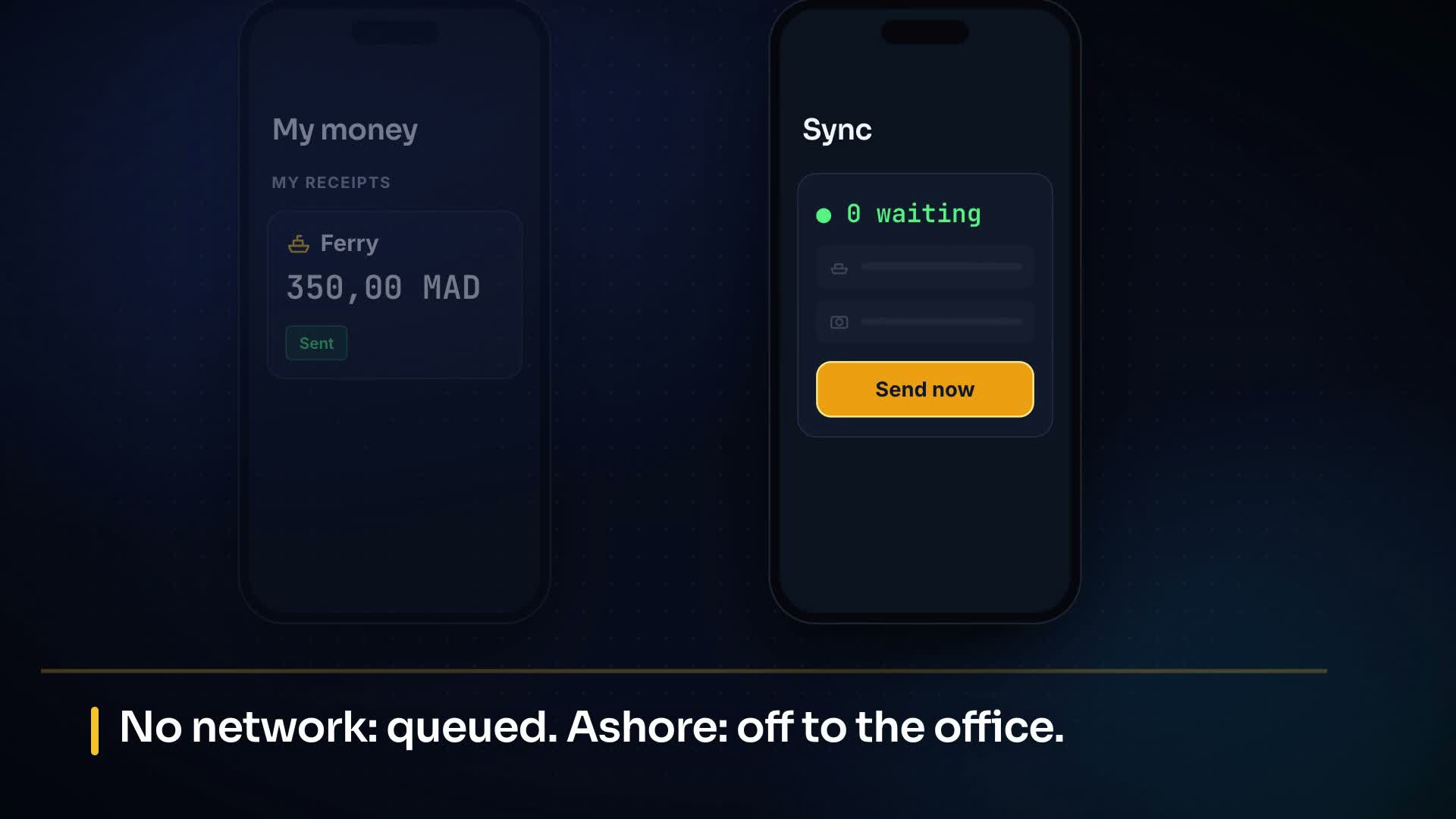 1:23Security 6What happens when the link to TinyCIO or the network goes down?
Create the account, tick your modules, add the trucks — the first mission leaves today.